 Digital Art Museum Tokyo
teamLab Photos: What Each Room Looks Like, and How to Shoot It
Last reviewed August 2026
People searching for teamLab Planets photos are usually doing one of two things: looking at pictures, or working out whether the rooms live up to them. This page cannot show you teamLab's own images, so it does the more useful thing instead, describes what each room actually looks like from where you stand, which of them photograph well, and the rules that decide whether you come home with anything.
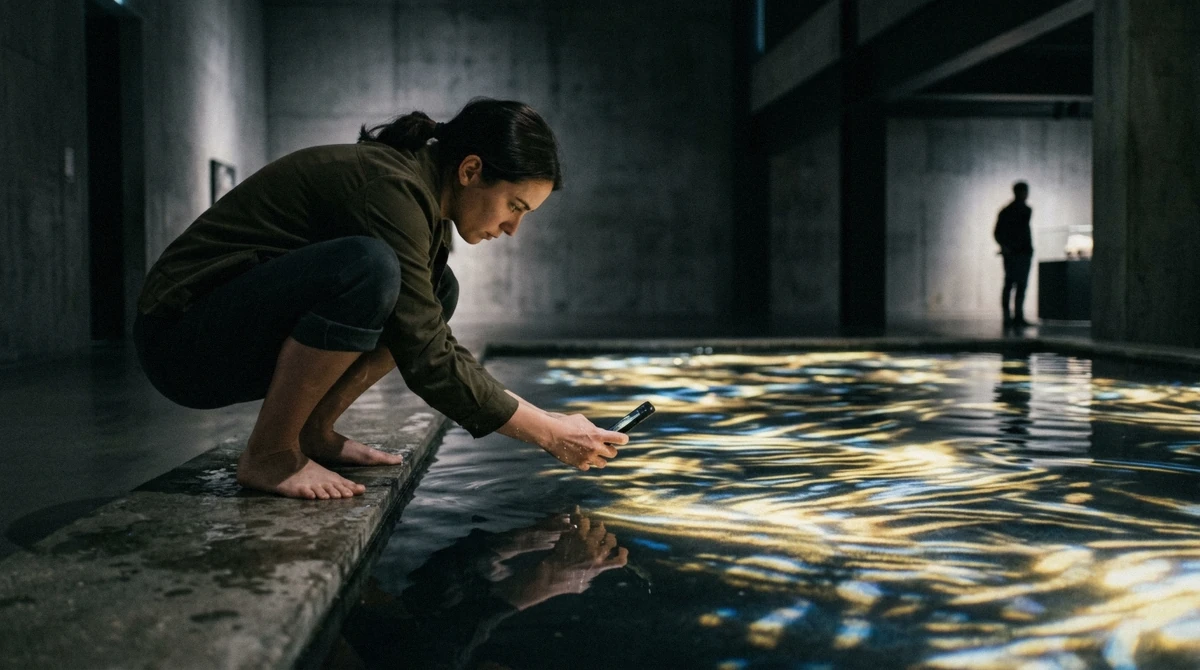
Quick answer The rules, and which rooms are worth the effort
Photography and video are allowed at both museums, and posting to social media is fine. Flash is banned at both. Borderless also bans tripods, monopods and selfie sticks 30 cm or longer, plus commercial shooting without consent. The rooms that reward a camera are almost all at Planets: the koi water, the orchid garden and the light waterfall. Borderless is harder, it is darker, the works move, and with no captions you often cannot identify afterwards what you photographed.
Key takeaways
- Wear white or plain clothing, both museums recommend it, because it catches the projections
- No flash anywhere; no supports 30 cm or longer at Borderless
- You will be barefoot in knee-deep water at Planets, holding a phone. The clothing rules
- Long tripod setups are impossible: at busy times staff move people along
- The first hour after opening is the only reliable way to get rooms without crowds
- Comparing the two museums first? Borderless vs Planets
The Photography Rules, Stated Plainly
Both museums are unusually relaxed about cameras. The limits that exist are specific.
What is allowed and what is not
Taking photographs and video is permitted at both museums, and posting them to social media is explicitly allowed.
Banned at both: flash. It ruins the artwork for everyone in the room and washes out the projections that are the entire subject.
Banned at Borderless additionally: monopods, tripods and selfie sticks 30 cm or longer, along with any other photographic aid of that size, plus filming or photography for commercial purposes without prior consent.
One more thing worth knowing at Borderless: media filming takes place at the venue without prior notice. If you would rather not appear in someone else's coverage, tell a member of staff.
The unwritten rule: you cannot linger
Neither museum limits how long you stay, but at Planets, staff will ask visitors who have occupied one room for a long stretch to move forward during busy periods. That is stated policy.
The practical effect is that a considered setup, waiting for the light cycle, positioning someone, retaking, is not really available on a busy afternoon. It is available at 8:00 in the morning.
At Borderless nobody moves you along inside, but the museum may hold visitors outside before entry when the building is full, and admission itself can be capped.
Every listing, with what it includes, sits on the teamLab museum tickets page.
Room by Room at teamLab Planets
A fixed route, so these arrive in order. Three of them are why the museum has the reputation it has.
The koi water room
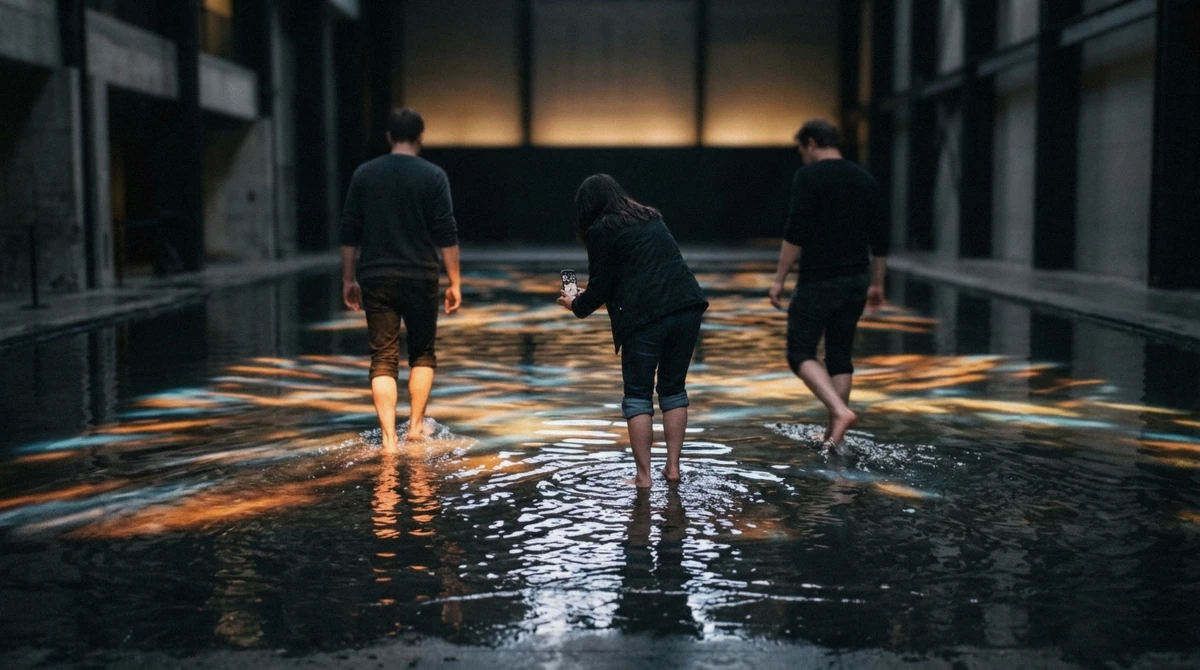
Officially Drawing on the Water Surface Created by the Dance of Koi and People - Infinity. You stand in water that reaches the knee, and koi swim across its surface. Their movement is shaped by where people are standing, so the fish avoid and circle you. When one collides with a person it bursts into flowers and scatters.
The koi leave trajectory lines on the water behind them, so the room is a drawing that accumulates while you stand in it. The flowers change with the seasons, which means April and November genuinely differ.
On camera: this is the shot everybody has seen. It works because the light source is under the water and your legs are in it. Hold the phone low, close to the surface, and let the fish come to you rather than chasing them.
Floating Flower Garden
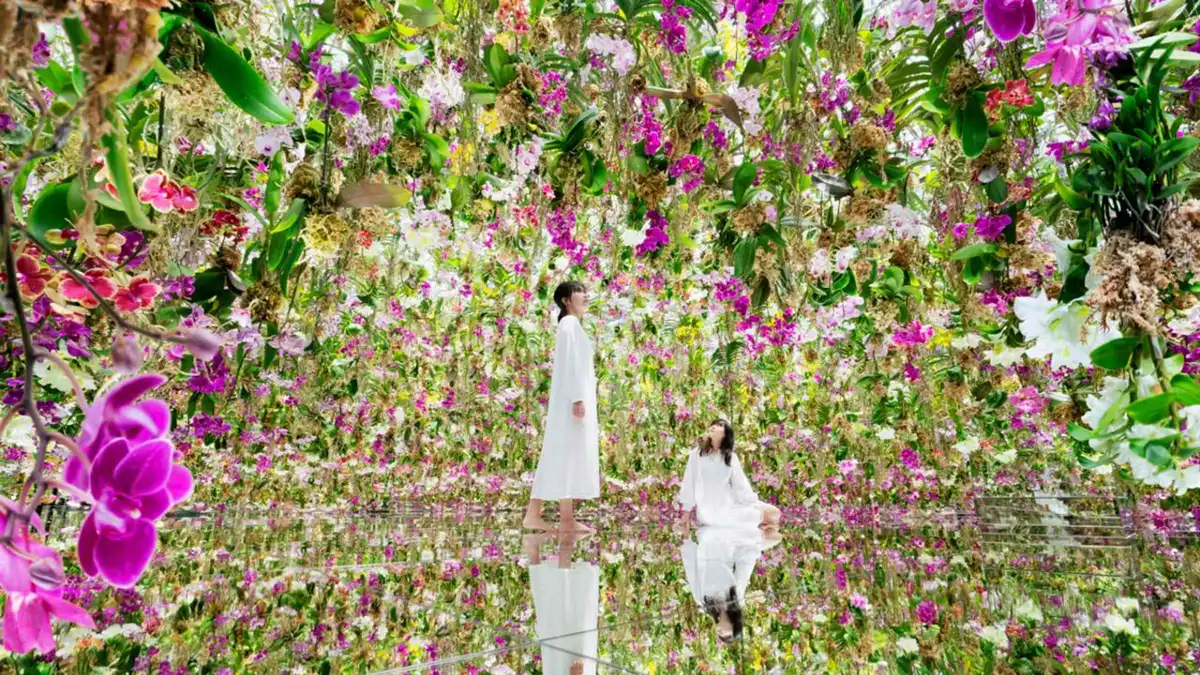
A space filled top to bottom with living orchids, real plants, not projections. They grow without soil, taking water from the air, and they hang in a three-dimensional mass.
As you walk in, the flowers directly above you rise, opening a pocket of space so you can move. Approach another visitor and the two pockets merge into one.
On camera: the hardest room to shoot well and the most rewarding. The mass reads as texture rather than subject unless something breaks it up, so a person in frame, seen from behind, is what makes the picture legible. Look up.
The waterfall, the moss and the mirrored floors
Waterfall of Light Particles at the Top of an Incline sends light down a slope you climb. It is based on an earlier work made on a real waterfall in the mountains of Shikoku: light reflects only off the particles, so the falling water becomes falling light, leaving afterimage trails in the dark.
The moss garden works sit on a genuinely strange fact, mosses do not die when they dry out, they shut down and revive when wet, and the tardigrades living in the moss do the same.
Several floors are mirrored, which is where the free rental shorts come in (below). On camera, mirrored floors double everything and expose everything: they are the reason people end up in the museum's own loaner shorts.
Room by Room at teamLab Borderless, and Why It Is Harder
Same collective, much less photographable, for three structural reasons.
There are no rooms, exactly
Borderless is built on works that move between spaces. A light sculpture drifts out of one room and turns up in another; works meet each other and interact whether or not anyone is watching.
So the museum publishes no map and hands out no floor plan, and there are no artwork captions on the walls. The teamLab app tells you about whichever work is nearest.
The photographic consequence is specific and annoying: you will take pictures you cannot identify later. If a work matters to you, open the app and note the name while you are standing in it, because there will be no caption in the photograph to remind you.
What is showing now
The current exhibition is On the Asymmetry of the Universe. It introduced Asymmetric Existence, a single sculpture built from two light sculptures, one that exists in the physical room but is not reflected in the mirror, and one that exists only inside the mirror and not in the room. Standing between the two is the work.
Chromatic Existence makes a sculpture out of colours flowing through space and settling into order.
Because the programme rotates, a walkthrough video filmed last year will show rooms that may not be there on your date. Useful for the feel; unreliable as a shot list.
It is darker than photographs suggest
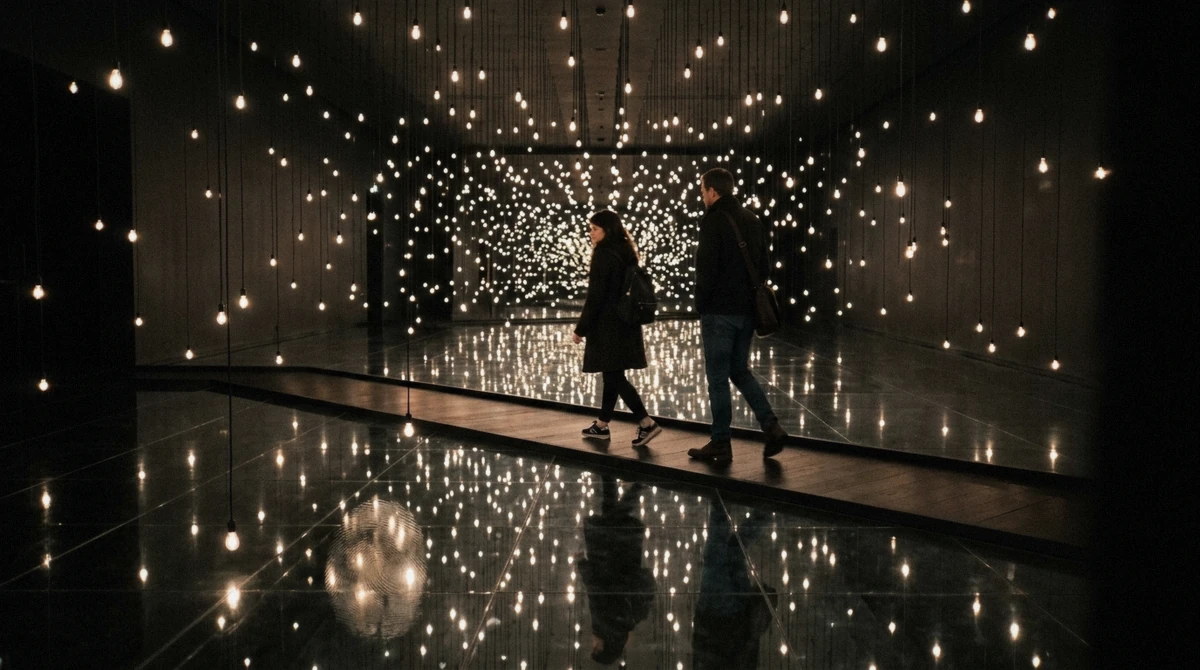
Published images of Borderless are made by people who know what they are doing. In the room, it is dark enough that your eyes need a few minutes at the start.
A phone in night mode will smear anything that moves, which at Borderless is most things. That is often the more honest picture, but it is not the crisp image you saw online.
What helps: white or plain clothing, which both museums recommend because it catches the projections and turns a person into part of the work instead of a silhouette. Patterns fight the light.
Which Rooms Actually Photograph Well
Ranked by how likely you are to come away with something, with the specific obstacle for each.
The honest ranking
Assumes a phone camera, no tripod, and a moderately busy day.
| Room | Museum | Difficulty | The obstacle |
|---|---|---|---|
| Koi water surface | Planets | Easy | Wet hands, and a phone held over knee-deep water |
| Mirrored floor rooms | Planets | Easy | Everything is doubled, including you |
| Floating Flower Garden | Planets | Medium | Reads as texture without a person in frame |
| Waterfall of light | Planets | Medium | Moving light plus a slope you are climbing |
| Moss garden works | Planets | Medium | Low light and low contrast |
| Light sculpture spaces | Borderless | Hard | The work leaves the room mid-shot |
| Mirror and asymmetry works | Borderless | Hard | Very dark; night mode smears movement |
What to Wear So the Photographs Work
This is the part that decides your pictures more than any camera setting.
White or plain, and something that rolls up
Both museums recommend white or plain clothing, because it catches the projected light. In practice this is the difference between being lit by the artwork and being a dark shape in front of it.
At Planets you also need clothes that roll above the knee, because the water gets that deep and wet clothes are not allowed into the next artwork, staff will ask you to change, and towels can be rented if you have no spare.
Several floors are mirrored. The museum lends free shorts in sizes XS to 6L plus wraps for exactly this reason, and free shoes if yours have no heel support. Neither is offered automatically: ask at the lockers.
- White or plain top, no busy patterns
- Trousers that roll above the knee, or shorts
- A spare set of clothes if you are bringing children
- A wrist strap or a secure grip for your phone
- The teamLab app installed before you arrive, for Borderless
- Passport or ID card, which is checked at Planets
The problem nobody mentions: a phone, bare feet and water
In the water rooms you are barefoot, standing in knee-deep water, holding the one device your entire trip's photographs live on.
The museum provides lockers for small items but you obviously keep the phone. There is no rule against it and everyone does it. But the floor is wet, the surfaces are mirrored, and the light is low, the three conditions under which people drop things.
A wrist strap costs nothing and solves it. Failing that, take the picture and put the phone away before you move; the temptation to walk while filming is exactly how it ends up in the water.
| Kit | Planets | Borderless |
|---|---|---|
| Flash | Banned | Banned |
| Tripod or monopod | Impractical, you are in water | Banned at 30 cm or longer |
| Selfie stick | Impractical | Banned at 30 cm or longer |
| Phone | Fine, use a wrist strap | Fine |
| White or plain clothing | Recommended | Recommended |
| Rental shorts for mirrored floors | Free, XS to 6L | Not needed |
Book the Slot That Gives You the Room to Yourself
The first entry window of the day is the only reliable way to photograph these rooms without a crowd in them. Admission tickets carry no time limit once inside; the guided options fix the museum portion at 1.5 hours. Prices and ratings read from the listings in August 2026.
teamLab Planets TOKYO Digital Art Museum Entry Ticket
The Toyosu museum where you go barefoot and wade through the art. Pick an entry window, arrive within 30 minutes of it, then stay as long…
- Cancellation
- Non-refundable
- Operator
- LINKTIVITY Inc.
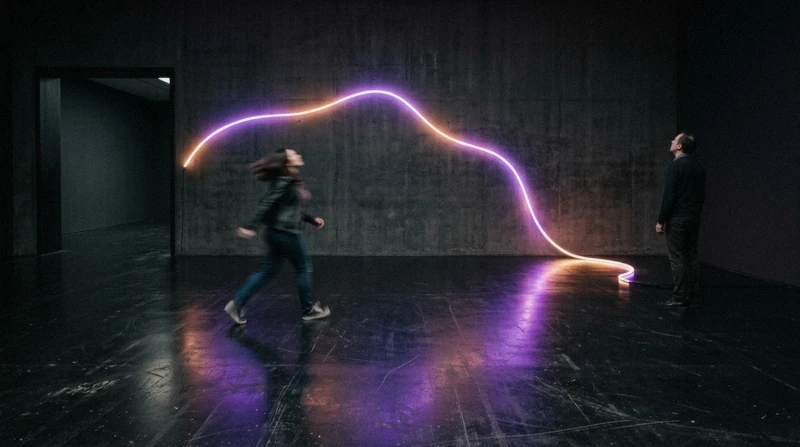
teamLab Borderless Admission Ticket, Azabudai Hills
The only way to buy Borderless admission on its own without a guided tour attached: teamLab sells tourist tickets through Klook. Adult admission is dynamically priced…
- Cancellation
- Check the platform terms
- Operator
- teamLab, sold via Klook
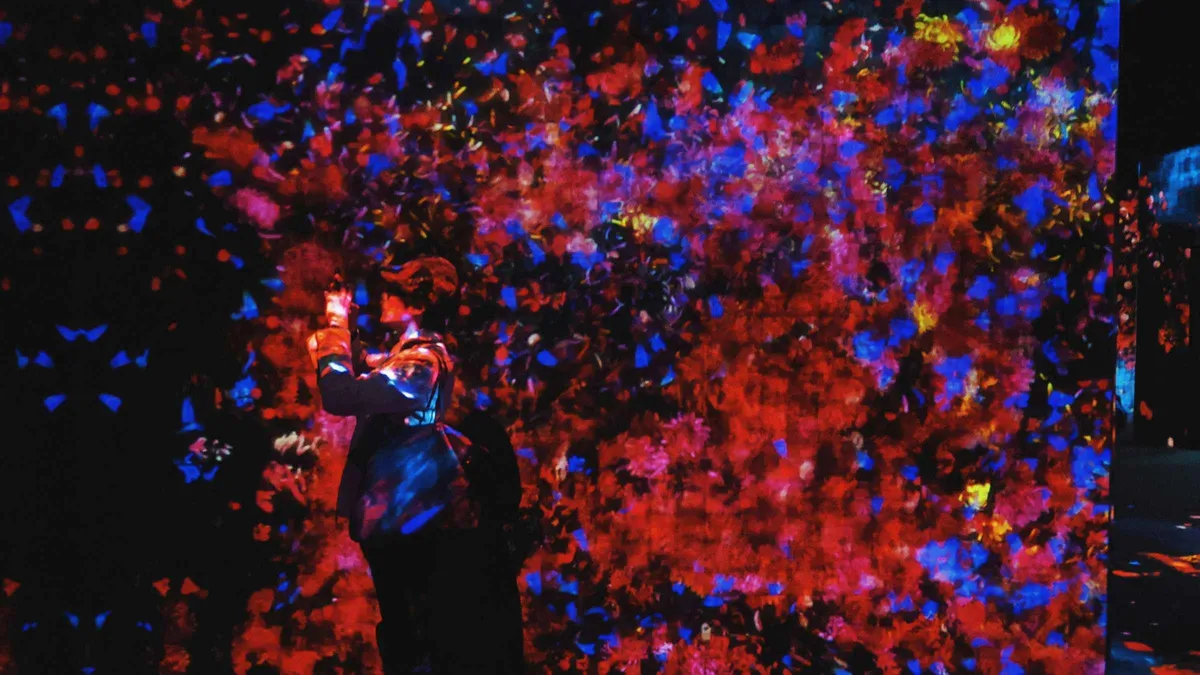
teamLab Borderless & Imperial Palace History Tour
Ninety minutes inside Borderless with a guide who explains the works, then a walk to the Imperial Palace East Gardens and the Edo Castle stone walls…
- Cancellation
- Free cancellation 24h
- Operator
- MARKEVISION株式会社
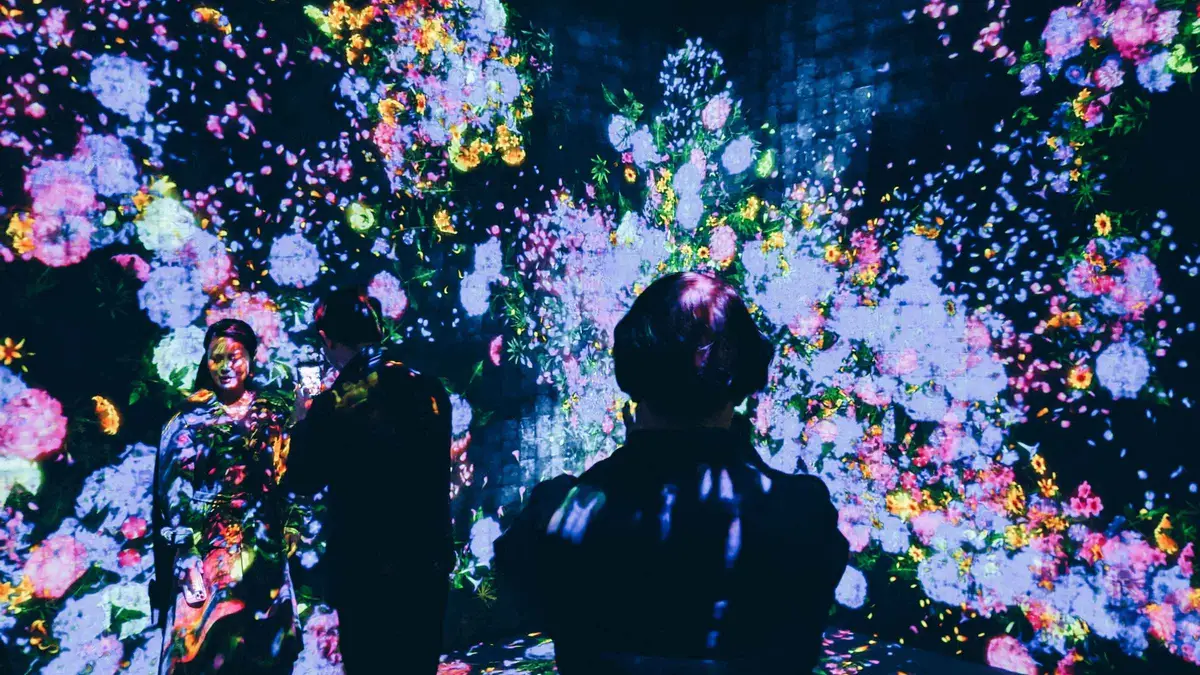
teamLab Borderless & Roppongi Hills Skyline Tour
Borderless first, then Roppongi Hills: Louise Bourgeois's Maman spider and 360-degree views over Tokyo Tower from the observation deck. Same operator and the same 1.5 hours…
- Cancellation
- Free cancellation 24h
- Operator
- MARKEVISION株式会社
Which Museum for Your Camera?
If you want the koi water and orchid pictures
teamLab Planets - every image that circulates is from there
If you would rather not carry a phone over knee-deep water
teamLab Borderless, where shoes stay on and nothing is wet
If you are shooting with a partner and need someone in frame
Planets, where a person makes the orchid room legible
If you want the room to yourself
book the first entry window of the day at either museum
If you care about knowing what you photographed
Planets, or use the teamLab app at Borderless, which has no captions
If you are choosing between the two on other grounds
read Borderless vs Planets before you book either
When to Go If the Pictures Matter
Timing beats equipment here by a wide margin.
First hour, or the last slot
Planets opens at 8:00 and runs to 22:00; Borderless opens at 8:30 and runs to 21:00, both with last entry an hour before closing. The first hour is the quietest of the day at either.
At Planets the 20:30 entry is the other good window, the museum stays open ninety minutes past it and the crowd thins steadily.
At Borderless there are dated late nights when it runs to 22:00 instead: through 8 to 15 August and on 1-2, 5-9, 12-16, 19, 21-23 and 26-30 October. On those evenings the final two hours are noticeably emptier.
Avoid a weekend afternoon in a school holiday. It is the fullest the rooms get, and at Borderless it is also the top of the dynamic price range.
Every bookable slot, with what each ticket includes, is listed on the digital art museum tickets and tours page.
Photography Questions
Can you take photos inside teamLab?
Yes, at both museums, including video, and posting to social media is allowed. Flash is banned everywhere. Borderless additionally bans tripods, monopods and selfie sticks 30 cm or longer, and commercial shooting without prior consent.
Can I bring a tripod or a selfie stick?
Not to Borderless if it is 30 cm or longer, that covers most tripods, monopods and extended selfie sticks. At Planets you are barefoot in water for much of the route, which makes any support impractical regardless. In both, staff move people along at busy times, so long setups do not work.
What should I wear for good photos?
White or plain clothing, which both museums recommend because it catches the projections, and at Planets something that rolls above the knee. Free rental shorts in sizes XS to 6L are available for the mirrored floors, what to expect in the water rooms.
Which museum is more photogenic?
Planets, clearly. The koi water, the orchid garden and the mirrored floors are the images that circulate, and they are all in Toyosu. Borderless is darker, its works move mid-shot and it has no captions, so photographs taken there are often unidentifiable afterwards. The full comparison.
Will my phone be safe in the water rooms?
There is no rule against carrying it and everyone does, but you are barefoot in knee-deep water on mirrored floors in low light. A wrist strap is worth more than any camera setting here. Lockers are available for everything else.
How do I know what I photographed at Borderless?
Use the teamLab app while you are standing in the work, it describes whichever piece is nearest to you. There are no captions on the walls, by design, because works move between rooms, so the app is the only record you will have afterwards.